Programs & Activities

Character work, on the ground.

From an annual national conference to weekly school chapters, our programmes translate the P.A.U.L Principles into real behaviour in classrooms, congregations and communities across Nigeria.

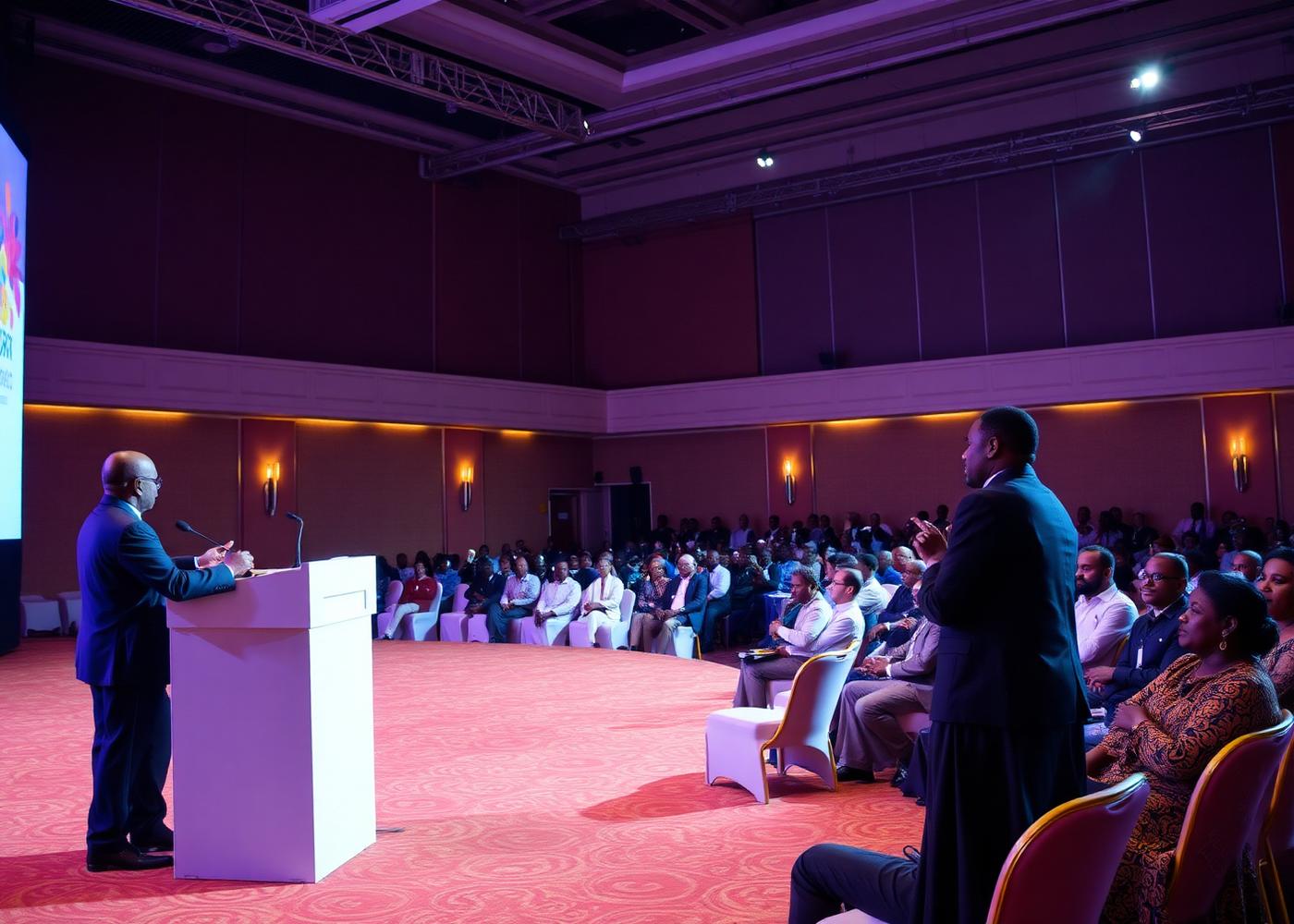
The PLC Behavioural Change Conference
Annual Flagship

The PLC Behavioural Change Conference

Our annual convening of educators, behavioural scientists, faith leaders, youth advocates and policy makers around a single theme in character formation. Each edition also serves as a memorial for Ifeoma Pauline Igbonacho.

  • Themed programme and keynote each year
  • Workshops, panels and youth-led sessions
  • Annual memorial lecture in honour of Pauline

The PLC Club
Grassroots Chapters

The PLC Club

Character-formation chapters hosted inside schools, religious communities and neighbourhood groups. Each club is guided by the P.A.U.L Principles and led by trained peer facilitators.

  • Weekly meetings around the P.A.U.L framework
  • Peer-led activities and reflection journals
  • Termly service projects in the community
Partnerships & PLC Workshops
Collaboration

Partnerships & PLC Workshops

We partner with civil society organisations, professional bodies and youth clubs to run PLC workshops inside their existing meet-ups — bringing character work to the rooms young people already trust.

  • Custom PLC workshops for partner organisations
  • Train-the-trainer sessions for youth leads
  • Shared research and impact reporting
The PLC Awards
Recognition

The PLC Awards

A yearly recognition programme honouring the best-behaved students and young leaders whose lives quietly embody the P.A.U.L Principles — because what we celebrate, we multiply.

  • Best-Behaved Student category
  • Peer Leader of the Year
  • Community Impact Award
Social Change Research
Behavioural Science

Social Change Research

Applied research on what actually shifts youth behaviour in Nigerian contexts — combining nudge theory, social modelling and skill-building — so every programme we run is evidence-led.

  • Field studies with schools and communities
  • Publicly shared insight briefs
  • Continuous programme refinement